
The operational stability, navigation accuracy, ground protection, and service life of AGVs, AMRs, inspection robots, and mobile chassis are largely determined by the tires. As a manufacturer of integrated wheel hub motor solutions, Zhongling Technology offers a variety of tire solutions, including seamless rubber, polyurethane, foamed polyurethane, and silicone rubber, tailored to the diverse working conditions of industrial mobile robots. With seamless tires as the core product, it is suitable for different scenarios such as clean rooms, warehousing and logistics, park inspection, medical services, and special operations. Many customers tend to confuse material differences when selecting tires. Today’s article will analyze the characteristics, advantages, disadvantages, and applicable scenarios of various types of tires, helping projects choose the right wheels and reducing the trouble of later debugging and maintenance.
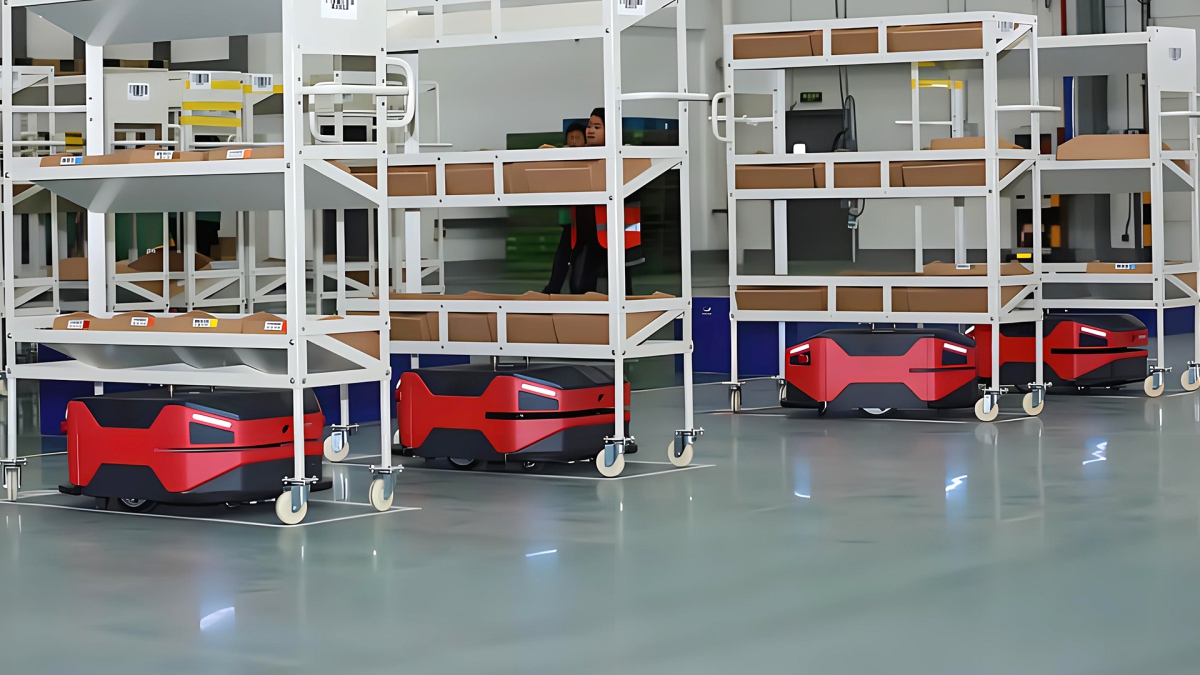
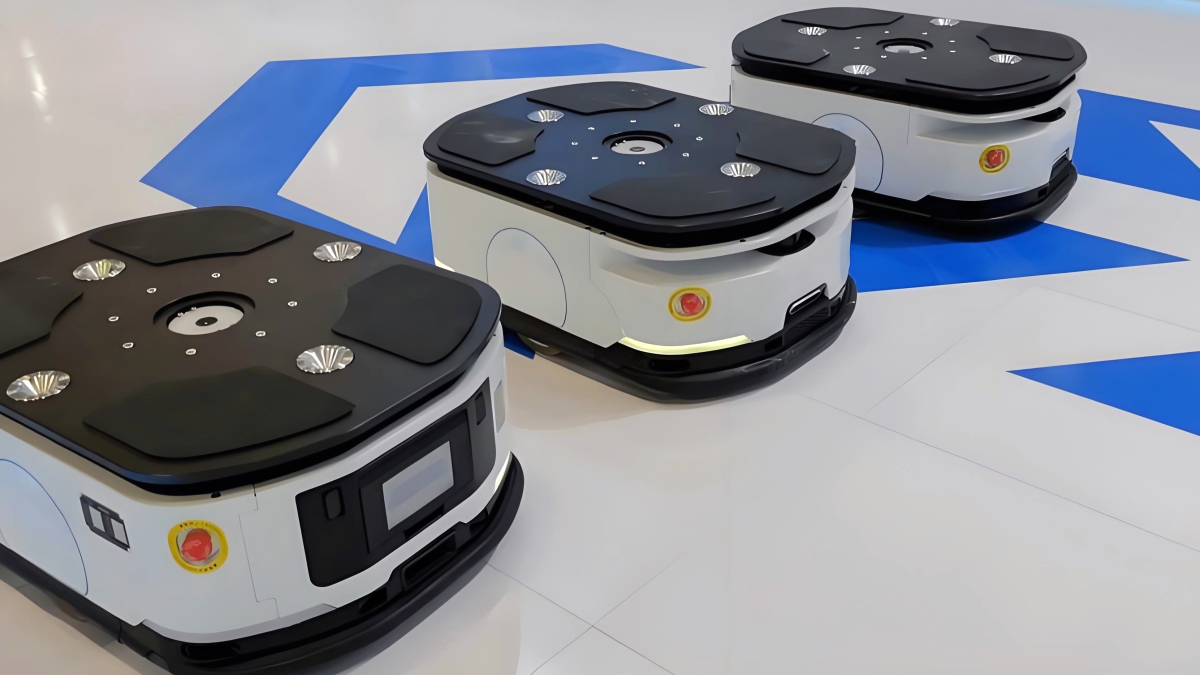
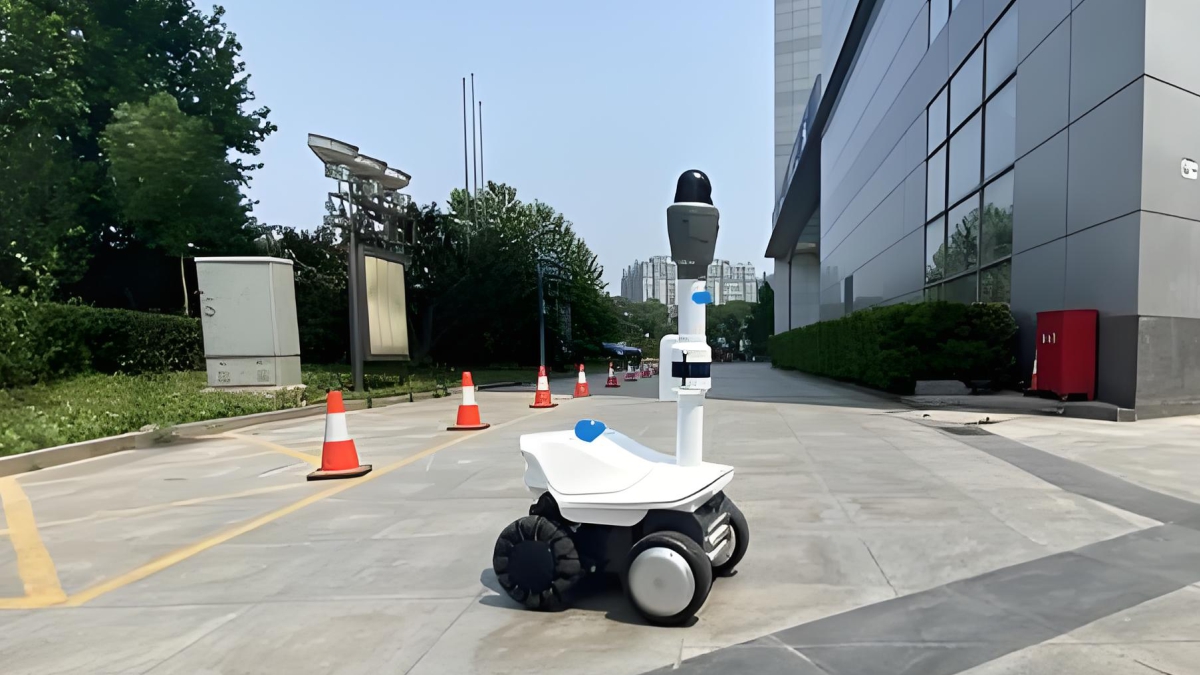
1. Rubber tires: balanced elasticity, accommodating both indoor cleanliness and complex road conditions
Rubber tires are the most classic category of mobile chassis. Zhongling mainly promotes non-marking rubber tires, while also covering traditional marked, inflatable, and solid rubber solutions to meet differentiated needs.
① No-marking solid rubber tire (main model of ZLTECH)
The non-marking rubber, modified through a special formula, is resistant to carbon black precipitation and chipping during in-place turning and differential rotation. It leaves no black marks on epoxy floors, PVC, or clean floors, making it the preferred choice for dust-free workshops, electronic factories, and medical settings.
✅ Advantages: Good elasticity, excellent shock absorption and noise reduction performance, strong grip, stable anti-slip performance; resistant to minor oil stains, gentle on the ground, not prone to scratching the floor; superior obstacle-crossing ability compared to ordinary PU wheels, suitable for roads with joints and minor irregularities; no inflation, no risk of tire blowout or air leakage, simple maintenance.
❌ Disadvantages: Its wear resistance and load capacity are lower than those of high-density cast polyurethane; it ages faster under long-term high-temperature conditions; and it has a larger tire volume under the same load. Applicable background: 3C electronics workshops, pharmaceutical cleanrooms, hospital delivery robots, indoor light and medium-load AMRs, service robots requiring silent operation, and occasional indoor and outdoor inspection chassis.
② Marking rubber tires
The traditional natural rubber formula offers lower cost and excellent elasticity, anti-slip, and shock absorption effects. However, spinning in place and prolonged friction may cause black debris to precipitate, leaving behind black wheel marks.
✅ Advantages: Affordable price, excellent shock absorption, traction, and impact resistance, strong adaptability to outdoor gravel roads.
❌ Disadvantages: It can contaminate the floor and is not suitable for epoxy and dust-free clean areas; the wear debris will increase the cleaning cost of the workshop. Applicable background: Outdoor transfer in ordinary factory areas, construction sites, open-air inspections, heavy-duty handling equipment without requirements for ground marks, not recommended for clean scenarios.
③ Pneumatic rubber tire
It features an internal air chamber that relies on air cushioning, similar to the principle behind pneumatic tires used in electric vehicles.
✅ Advantages: Shock absorption is the strongest among rubber products. It has good vibration filtering effect on bumpy roads, potholes, and gravel surfaces. It provides strong protection for the chassis and sensors (LiDAR, camera). It has outstanding obstacle-crossing and climbing capabilities.
❌ Disadvantages: There are risks of punctures, air leaks, and tire blowouts, requiring regular pressure checks and maintenance; stability is relatively weak in high-speed and high-frequency start-stop scenarios; prohibited in clean environments, as most conventional pneumatic tires are of the tread-type. Applicable contexts: outdoor park inspection robots, off-road chassis, special mobile equipment for outdoor farmland/mining areas, scenarios with significant road elevation changes.
Summary: The core value of rubber tires lies in their elasticity and shock absorption; for any epoxy, dust-free, and clean workshop projects, Zhongling’s seamless solid rubber tires are the preferred choice.
2. Polyurethane (PU) solid tire (cast high-density PU)
Polyurethane rubber-coated wheels are a popular solution for industrial AGVs and warehouse AMRs, and are also one of the high-frequency supporting tires for Zhongling. They are made of dense material and are integrally cast and molded.
✅ Advantages: Extremely strong wear resistance, with a lifespan several times that of ordinary rubber; high load-bearing capacity, outperforming rubber in load-bearing capacity for the same size; low rolling resistance, resulting in lower motor energy consumption; most PU formulations achieve a seamless and debris-free surface; resistant to tearing and grease, making it less prone to debonding; a wide range of hardness options, allowing for customization of softer/harder treads.
❌ Disadvantages: The hard-type tires have weak shock absorption, and they vibrate greatly when running over road joints and bumps, which can easily affect the accuracy of SLAM navigation. They become harder and less slip-resistant in low temperature environments. Sharp iron chips and hard objects can easily cut the tread, making it difficult for the tire to self-heal. Applicable background: Warehouse heavy-duty AGVs, shuttle cars, high-frequency round-trip handling in fixed production line channels, flat epoxy floors, heavy-duty backpack robots, scenarios with high requirements for lifespan and load capacity, and flat and stable road conditions.
Reminder: If the ground has many joints, significant bumps, or is equipped with precision optical sensors, it is not recommended to prioritize the use of high-hardness PU.
3. Foamed polyurethane tire (microcellular foamed PU)
The internal structure of foamed polyurethane is microporous, making it a lightweight cushioning PU, which is not the same material as dense solid PU.
✅ Advantages: Soft texture, with shock absorption and noise reduction effects falling between rubber and solid PU; light weight, reducing the load on the hub motor; no marks or debris, friendly to floors; gentle cushioning, suitable for scenarios requiring protection of transported materials (glass, precision devices); less prone to punctures and air leaks, eliminating the maintenance pain points of inflatable tires.
❌ Disadvantages: Low density, limited load-bearing capacity, not suitable for heavy loads; wear resistance is weaker than that of cast solid PU, and it wears faster under high-frequency and long-duration operation; permanent indentation is easily formed under long-term pressure, and it cannot be parked at a fixed point for extended periods. Applicable background: Light-load service robots, food delivery robots, exhibition hall display chassis, laboratory teaching platforms, precision small-part transfer, indoor scenarios that pursue ultimate silence and have low loads.
4. Silicone tire
Silicone tires are a type of specialized functional tires, primarily designed for use in specific temperature zones, with high skid resistance, and suitable for food/sterile environments.
✅ Advantages: Excellent resistance to high and low temperatures (does not harden at low temperatures and is not prone to aging at high temperatures); high anti-slip coefficient, providing excellent grip on wet tiles, icy water, and oily floors; food-grade silicone that meets sterile and food processing requirements; good chemical stability, resistant to many weak acids and alkalis, not prone to stains, and easy to wipe clean; leaves no marks and does not pollute the floor.
❌ Disadvantages: Weak wear resistance and high cost; general load-bearing capacity, not suitable for heavy loads; some silicone formulas tend to attract dust after friction and heating; high rolling resistance, affecting endurance. Applicable background: food processing, cold chain cold storage robots, low-temperature laboratories, wet and slippery water environment operation chassis, medical sterile equipment, light-load special robots with special requirements for anti-slip and temperature resistance.
Quick Reference for Tire Selection & Summary of ZLTECH Supporting Advantages
1. Clean epoxy workshop, dust-free environment, hospital, 3C production line: seamless rubber tire / seamless PU tire; for silent vibration reduction, choose seamless rubber; for heavy-duty long-life, choose PU.
2. Level warehouse, high-frequency heavy-duty handling AGV: high-density solid polyurethane tire.
3. Light-duty, ultimate silence, precise and fragile material transfer: foamed polyurethane tire. 4. Cold storage, food workshop, wet and slippery ground, high and low temperature special working conditions: silicone tire.
5. Outdoor gravel, pothole road, off-road inspection: pneumatic rubber tire / off-road seamless rubber. 6. Outdoor ordinary factory area with no requirement for ground marks and budget priority: marked rubber tire
ZLTECH in-wheel motors support modular tire selection, with seamless tires being the standard main configuration. Based on customer chassis kinematics, load capacity, ground material, and navigation scheme, tires with corresponding hardness and friction coefficients can be matched to reduce common issues such as skidding, mileage drift, ground pollution, and vibration interference. This ensures a better match between the power output of the in-wheel motor and the robot’s navigation operation. This is also a key focus during our joint debugging with navigation solution providers such as Jusheng Intelligence.
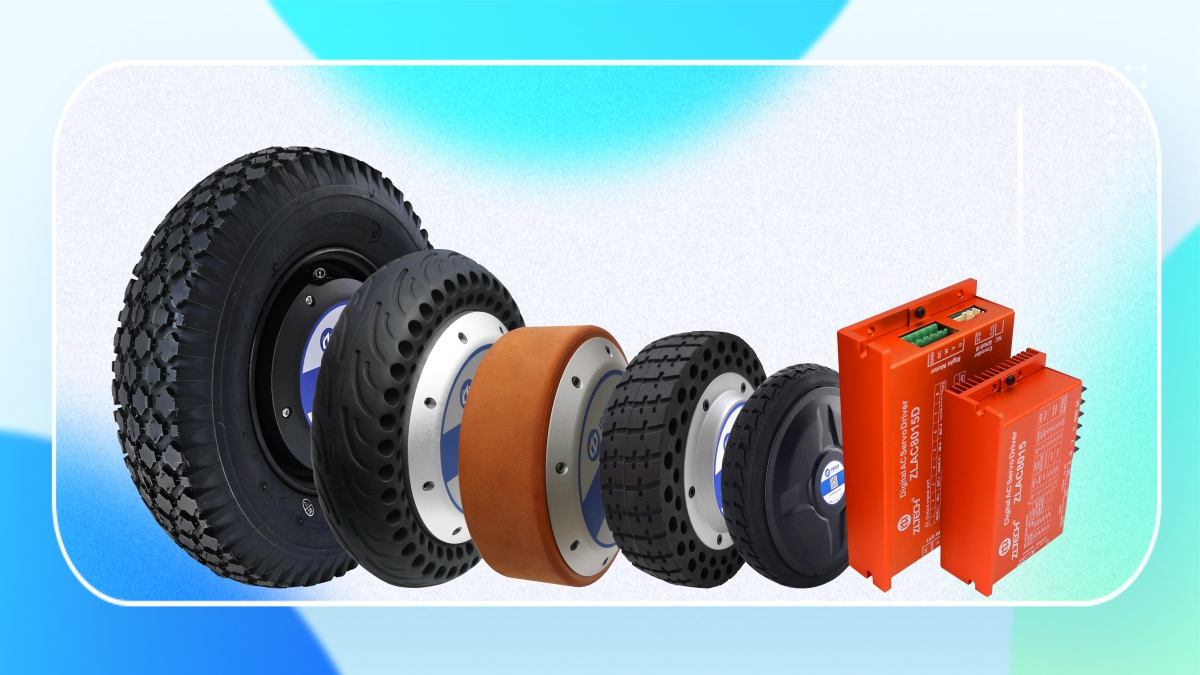
In conclusion: There is no one-size-fits-all tire; what is suitable is the best solution. For flat roads, heavy-duty wear resistance is crucial; for clean environments, seamless anti-pollution is essential; for bumpy outdoor conditions, shock resistance and obstacle-surmounting are key; for special working conditions, temperature resistance and corrosion resistance are important. Zhongling Technology continues to enrich its tire supporting matrix, providing tire solutions tailored to each hub motor and each mobile chassis, helping AGV/AMR to be implemented stably.
Post time: Oct-26-2026