
When warehouse trolleys start moving autonomously and park patrol vehicles no longer need drivers, the same question remains: where does the power come from, and how is it precisely delivered to each wheel? In unmanned scenarios such as logistics warehousing, security inspection, factory distribution, and building services, more and more AGVs and inspection vehicles are turning their attention to hub motor solutions. While not a new technology, it is becoming the mainstream power choice for automated equipment in industrial parks.
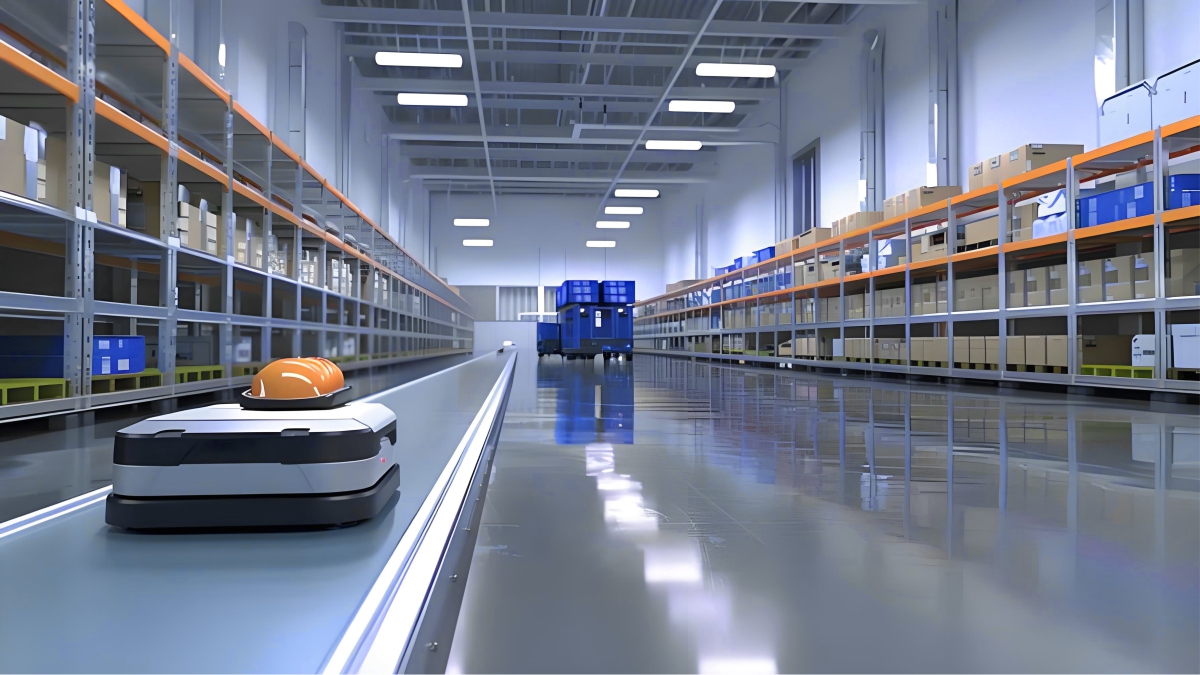
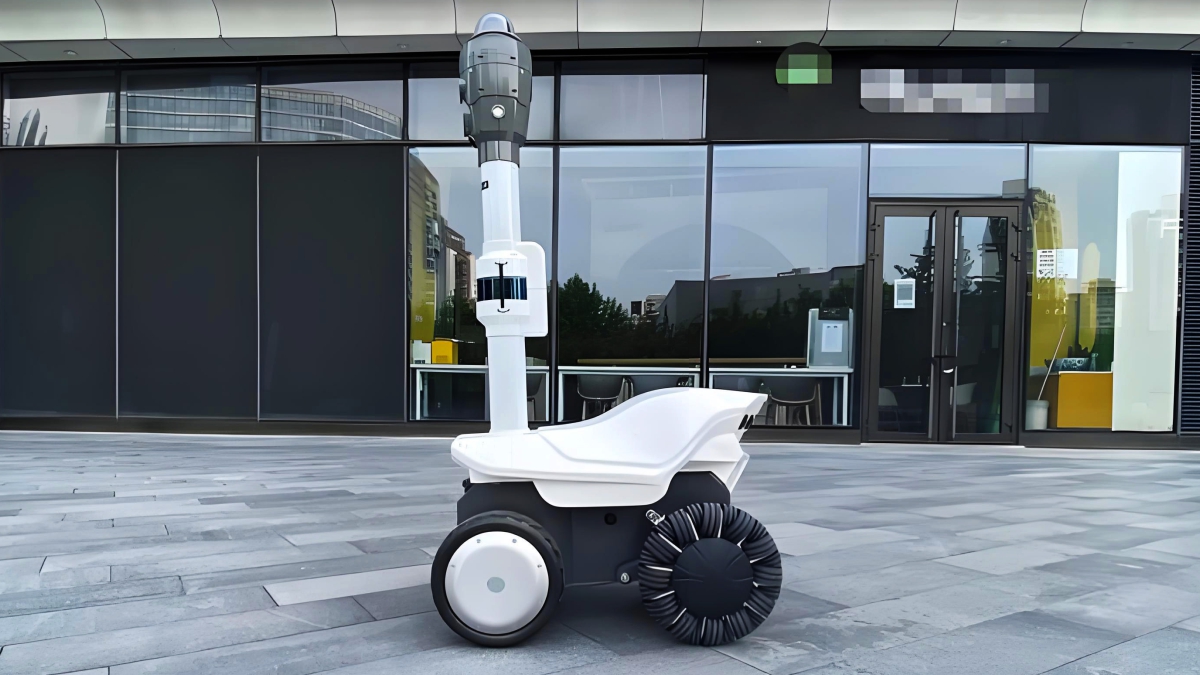
Integrated design makes the chassis “slimmer”.
Traditional powertrain solutions require a series of interconnected components, including the motor, driveshaft, differential, and independent reduction gear, which takes up a significant amount of chassis space and raises the vehicle’s center of gravity. In-wheel motors integrate the drive, reduction, braking, and even feedback units directly into the wheel, eliminating intermediate transmission links.
For AGVs and inspection vehicles, this means a more compact chassis, allowing the vehicle to be made lower and thinner, leaving valuable space for cargo boxes, batteries, or testing equipment; fewer structural components make assembly simpler, and fewer maintenance points are also reduced.
Independent drive, more flexible layout and steering
In-wheel motors naturally support “one wheel, one drive”. Each wheel is independently controlled, and the vehicle can be arranged as needed to achieve two-wheel differential, four-wheel independent drive, or omnidirectional movement in conjunction with steering wheels, without relying on complex mechanical steering mechanisms.
This distributed structure offers two practical benefits: first, the layout is modular, allowing for quick combinations of vehicles with different load capacities and sizes by adding or removing drive wheels; second, the steering response is direct, enabling common park maneuvers such as turning on the spot and making U-turns in narrow passages with the help of a controller, making it very friendly to warehouse rack gaps and park curves.
High efficiency, quiet operation, and durable; suitable for 24/7 operation.
Unmanned equipment in industrial parks often requires long-term, high-frequency operation, and the energy consumption and reliability of the power system directly determine operating costs. Integrated hub motors reduce intermediate transmission losses such as chains and exposed gears, making more efficient use of energy and providing longer range with the same battery capacity; the enclosed structure, combined with a high level of protection, can adapt to outdoor environments such as rain, dust, and complex road surfaces within the factory area.
Meanwhile, due to the absence of friction noise from exposed transmission components, the vehicle operates more quietly, making it suitable for noise-sensitive environments such as industrial parks, hospitals, office buildings, and laboratories; the fewer vulnerable parts also reduce the frequency of routine maintenance and downtime.
Precise and controllable, naturally adapted to autonomous navigation
Modern AGVs and inspection vehicles rely on navigation methods such as laser SLAM, magnetic strips, and QR codes. The power requirements are not only to “get it moving,” but also to “move accurately and stop smoothly.” The hub motor has a built-in feedback unit, which, together with the driver, can achieve precise speed adjustment and position control, resulting in smooth start-up and linear acceleration and deceleration. This facilitates integration with the upper-level dispatching system to complete tasks such as fixed-point stopping and constant-speed cruising.
From light-duty delivery and cleaning robots to medium- and heavy-duty pallet-handling AGVs, and even security inspection vehicles equipped with cameras and sensors, hub motors can be customized in terms of torque, speed, and installation dimensions to meet the needs of different vehicle models.
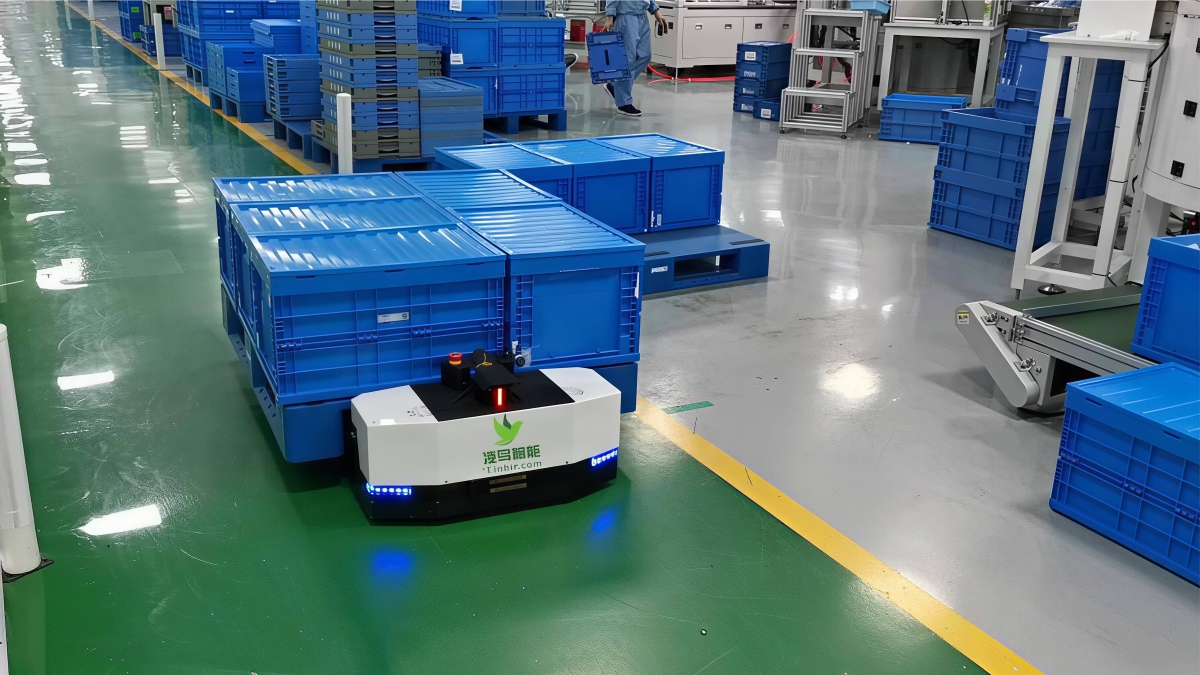
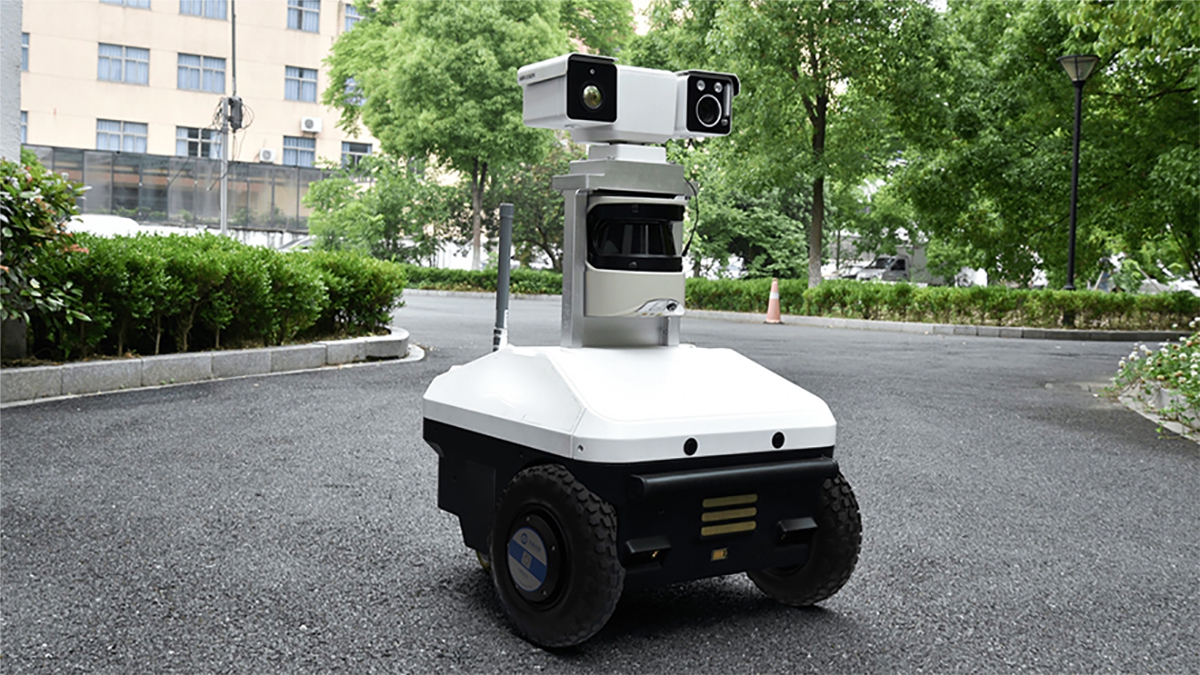
In conclusion
The competition in unmanned industrial parks will ultimately come down to the reliability of every detail. Whether the powertrain solution is integrated, flexible, energy-efficient, and durable directly affects the overall vehicle experience and total lifecycle cost, which is why in-wheel motors are widely used.
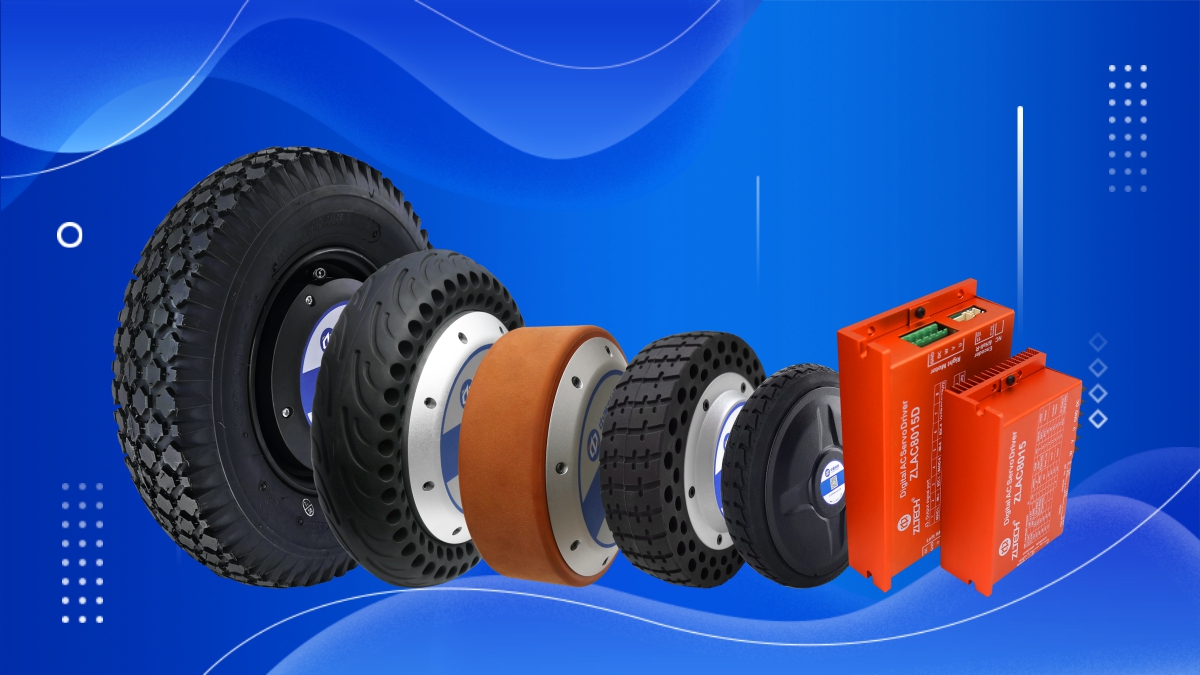
Shenzhen Zhongling Technology Co., Ltd. has long focused on the research and development and manufacturing of hub motors, providing customizable integrated drive solutions for AGVs, inspection vehicles, low-speed electric vehicles, and other scenarios. For information on the power and installation parameters of compatible vehicle models, please contact us for selection advice.
Post time: Oct-20-2026