
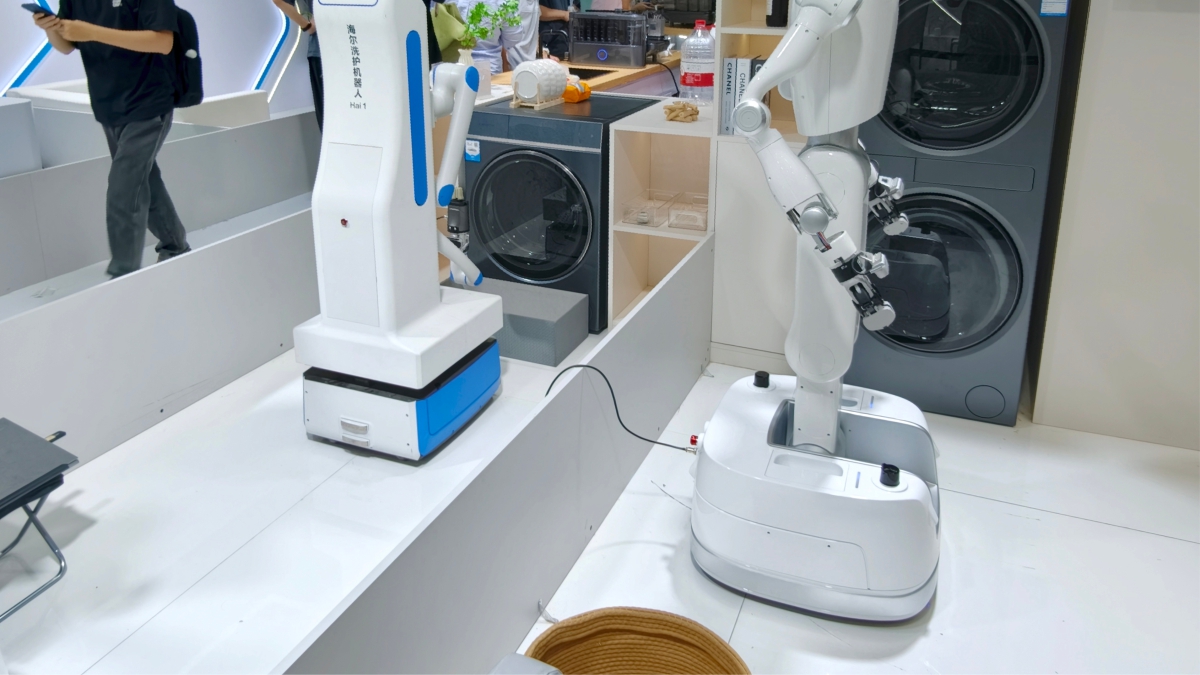
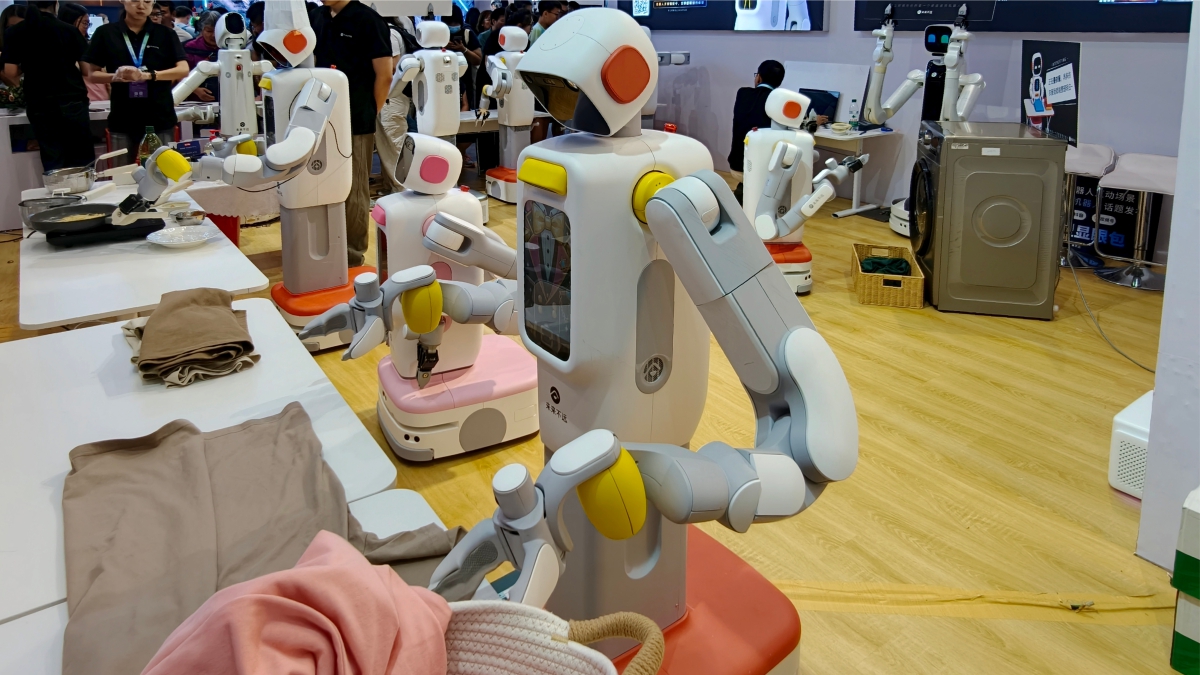
As embodied intelligence accelerates its landing, humanoid robot is moving from laboratories to industrial reality. Compared to the complex gait control of bipedal humanoid robot, mobile (wheeled/quadruped) humanoid robot has become the fastest commercialized form at present due to its advantages of stable operation, longer endurance, and controllable landing costs. It’s widely used in factory operation and maintenance, commercial service, elderly care, venue inspection, and other scenarios, opening up huge industrial imagination space.
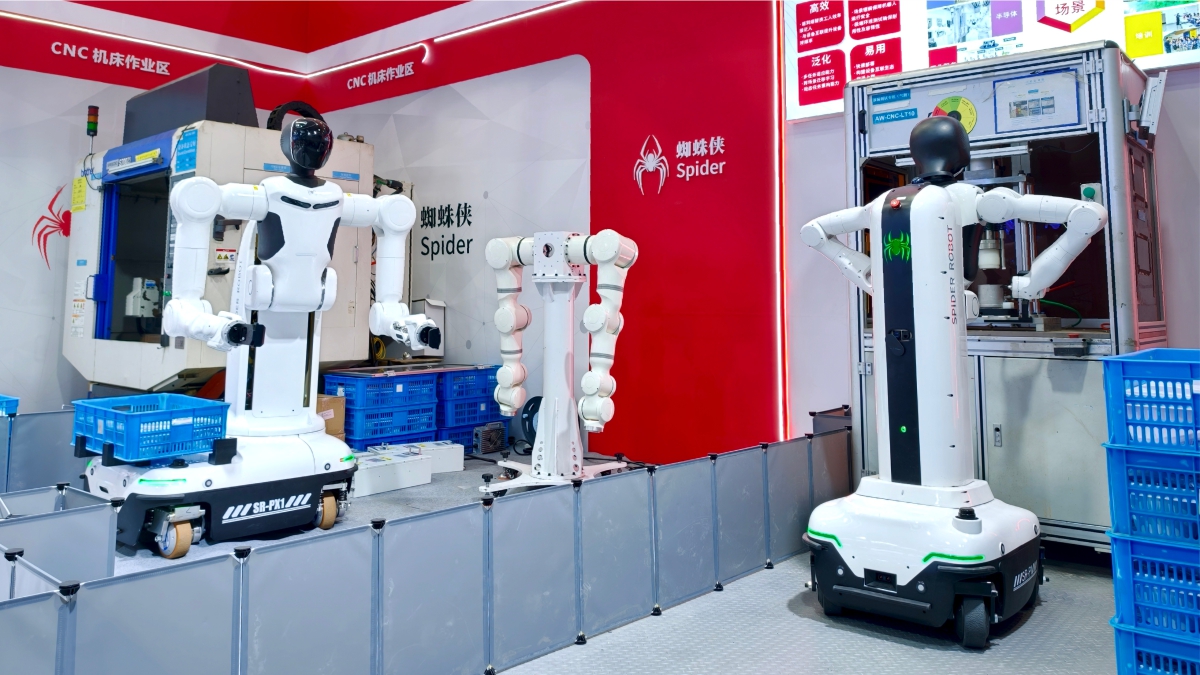
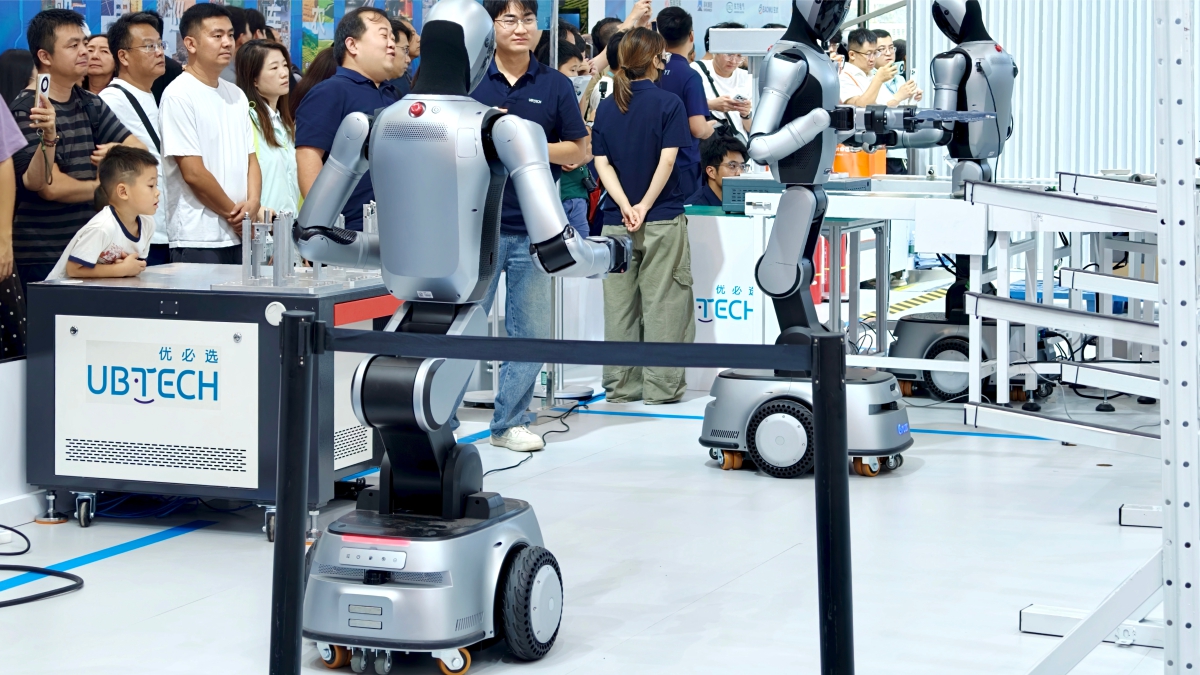
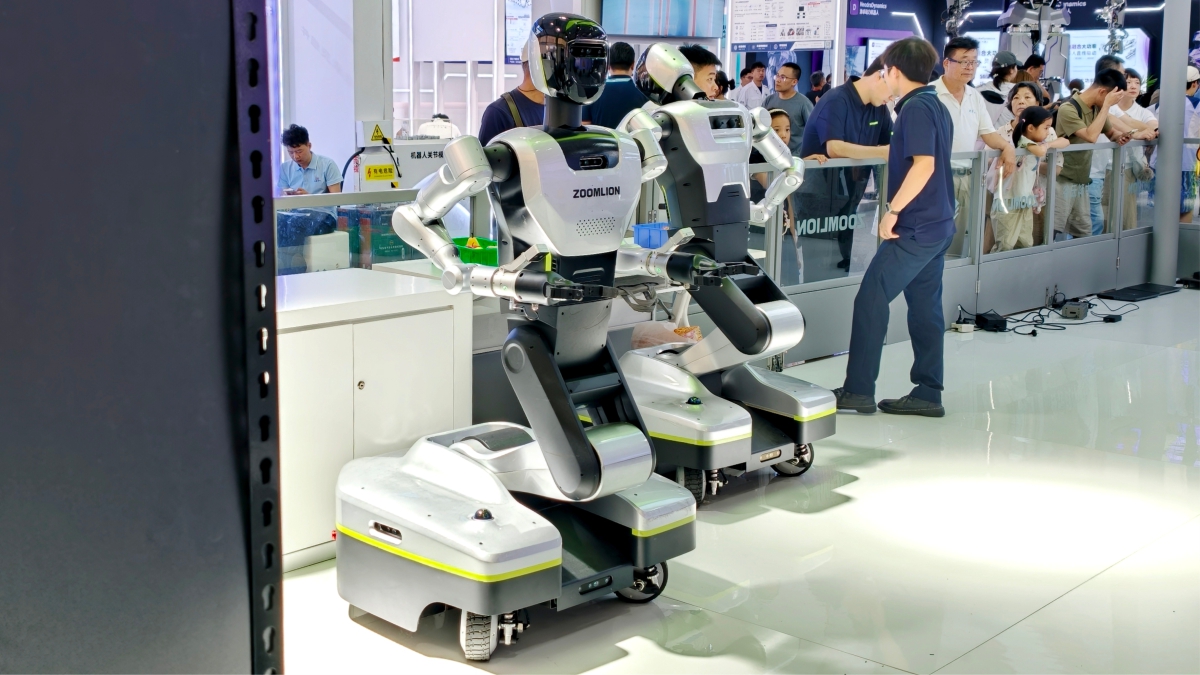
A mobile humanoid robot with agile upper body operation capability, relying on a wheeled chassis to achieve efficient movement, balancing the operational ability of “human hands” with the traffic efficiency of “wheeled” vehicles. The AI big model endows robot with the “brain” for perception and decision-making, while the wheel hub motor that drives the chassis is the “smart foot” of the robot, directly determining the stability, response speed, endurance performance, and integration difficulty of the entire machine. It is the key core component of Zhongling Technology that determines whether the product can be commercially scaled up.
Throughout the development of the industry, early mobile robot generally adopted a “central motor+reducer+transmission shaft” drive scheme. The entire transmission mechanism was bulky, with high transmission losses, high failure rates caused by gear wear, and complicated maintenance. It also occupied valuable space on the robot body, compressed the layout space of batteries, sensors, and computing modules, and restricted the lightweight design of humanoid robots, making it difficult to adapt to the design requirements of compact mobile humanoid robots. The emergence of integrated wheel hub servo motor has effectively solved this series of pain points. The motor, encoder, and drive unit are highly integrated inside the wheel, eliminating complex transmission structures such as transmission shafts and differentials. The structure is simpler and the energy loss is lower, making it the preferred power solution for mobile humanoid robots.
Based in Shenzhen and deeply rooted in the field of motion control for more than ten years, Shenzhen Zhongling Technology Co., Ltd. (ZLTECH for short) continues to focus on the research and manufacturing of robot wheel hub servo motors, providing mature and reliable integrated power solutions for the mobile humanoid robot race track, helping machine manufacturers accelerate product iteration and scene landing with ZLTECH.
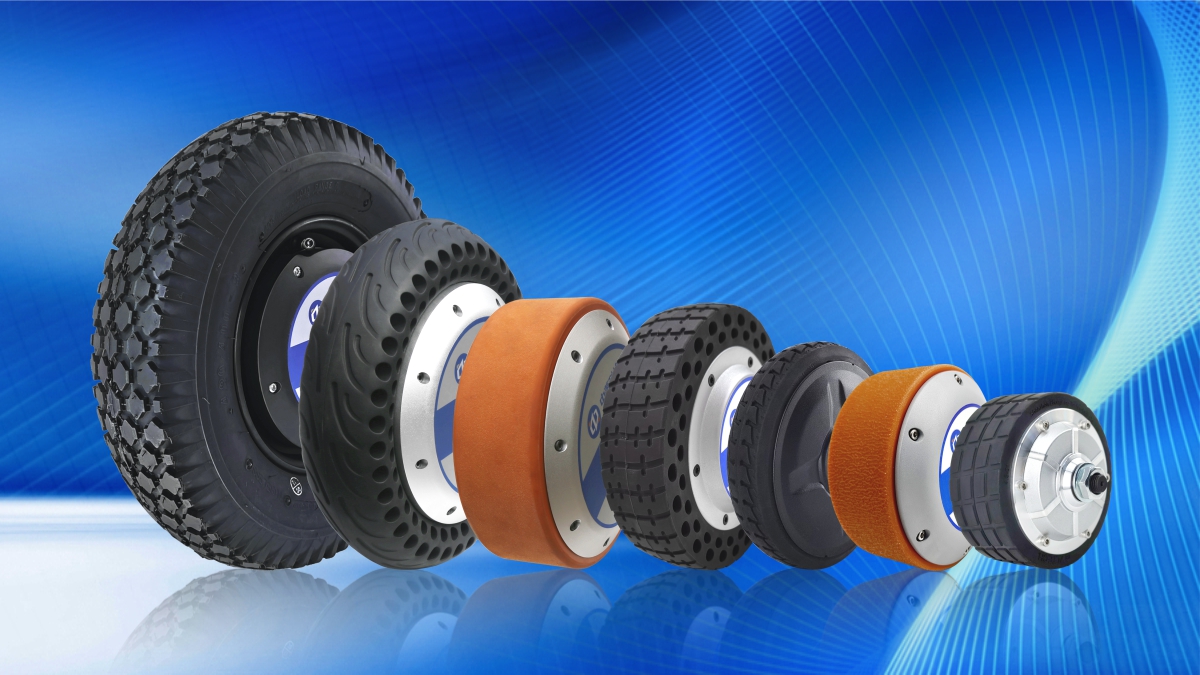
In response to the working conditions of mobile humanoid robots, ZLTECH wheel hub servo motor adopts an integrated design of external rotor direct drive, which integrates the motor, high-precision encoder, and drive unit into one, greatly reducing the volume of the drive system and freeing up valuable installation space for internal batteries, sensing devices, and computing hardware, helping humanoid robots achieve lightweight and compact body design. Our self-developed FOC vector servo algorithm is specifically designed for deep optimization of robot low-speed walking, frequent start stop, and posture fine adjustment working conditions. It runs smoothly without shaking at low speeds and has strong torque output. Faced with complex ground environments such as factory floors, indoor tiles, and gentle slopes, it achieves smooth start stop and precise steering. It highly coordinates with the upper body movements of human figures to ensure stable posture of the entire machine, and is perfectly adapted to various business scenarios such as inspection, material transfer, and reception services.
Built in high-precision encoder, combined with CAN/RS485 standardized communication interface, can seamlessly integrate with mainstream robot control systems, quickly respond to upper level AI instructions, and achieve real-time linkage between perception decisions and chassis actions; The sealed structure with high protection level can adapt to dusty and complex environments such as factories and shopping malls, reduce the overall failure rate of the machine, reduce later operation and maintenance costs, and meet the long-term continuous operation needs of robots. At the same time, ZLTECH has a full range of product matrices covering multiple wheel diameters and voltage levels, supporting customized development of load capacity, torque, and protection levels. It provides full chain services including prototype testing, technical docking, and bulk delivery, adapting to the development needs of different positioning mobile humanoid robots, shortening the R&D cycle of complete machine manufacturers, and reducing the threshold for component selection and development.
Looking to the future, the development path of mobile humanoid robots is very clear: in the short term, B-end industrial and commercial scenarios will be the core, and large-scale pilot projects will be implemented in factory auxiliary operations, commercial guidance, venue inspections, and elderly care; In the medium to long term, as component costs decrease and intelligent capabilities continue to iterate, it gradually penetrates into more service scenarios and becomes an important intelligent carrier for human-machine collaboration. To truly achieve large-scale commercialization, continuous breakthroughs in upstream core components are essential. The reliability, integration, and cost control capabilities of the power chassis are of utmost importance for the landing of the entire machine.
As a core upstream component supplier, ZLTECH will continue to refine its wheel hub servo motor technology and iterate its products around the actual operational needs of mobile humanoid robots. With highly integrated, reliable, and cost-effective wheel hub motor solutions, we will work together with our complete machine ecosystem partners to promote the stable and far-reaching development of the mobile humanoid robot industry and embrace new opportunities in the era of embodied intelligence.
Post time: Aug-25-2026