
Intelligent service robots are undergoing a profound transformation from “functional devices” to “intelligent companions.” This technology is no longer limited to robotic arms in factories or robotic vacuum cleaners at home. Leveraging embodied intelligence and large language model technologies, it has deeply penetrated various industries including catering, hospitality, healthcare, and elderly care.
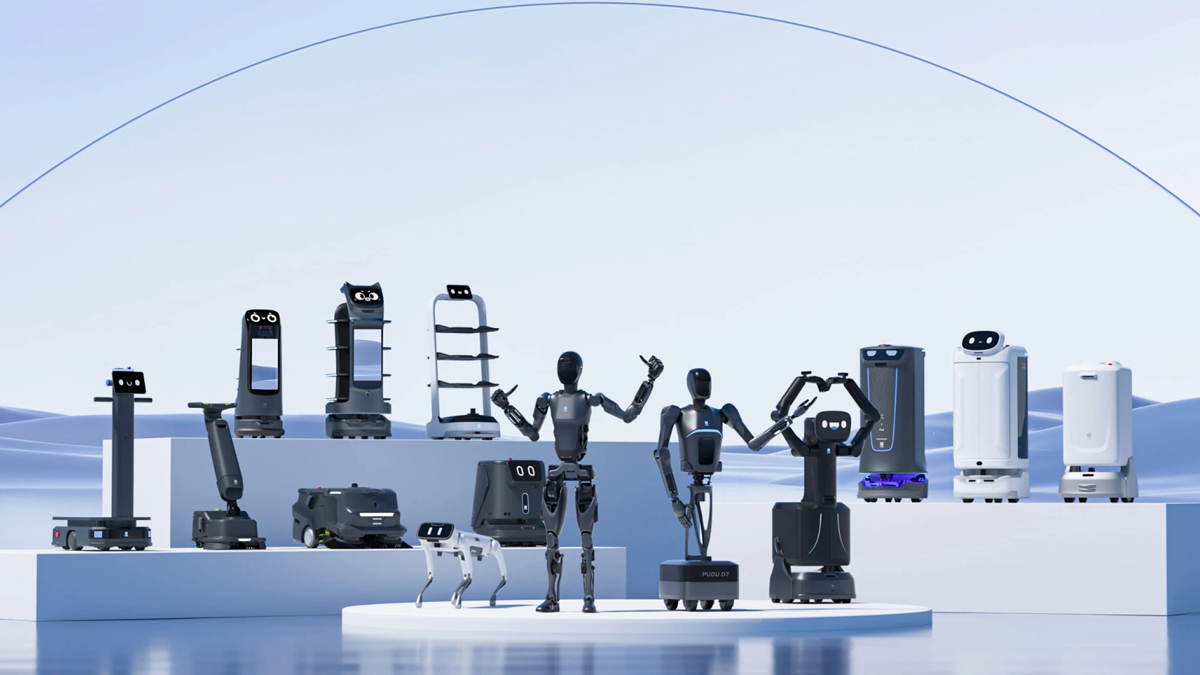
Market Size and Industrial Landscape
The intelligent service robot market is in a period of rapid growth with enormous potential.
Strong Performance in the Chinese Market: It is projected that China’s intelligent service robot market size will reach 102 billion RMB in 2026. In the first three quarters of 2025, service robot production reached 13.5 million units, surpassing the full-year output of 2024.
Chinese Enterprises Leading Globally: Chinese brands have dominated the global commercial service robot market. The top five companies are all Chinese enterprises, collectively controlling over 60% of the market share, with Pudu Robotics leading globally with a 23% market share.
Mature Commercialization Pathways: In addition to direct sales, flexible models such as RaaS (Robot as a Service) subscription systems have lowered the adoption threshold for enterprises, driving market penetration.
Three Development Stages: Advancing Toward “Embodied Intelligence”
Service robots did not achieve their current state overnight. Their degree of intelligence has undergone clear generational evolution:
1.0 Automation Era (approximately 2010-2019): Robots in this stage primarily executed pre-programmed procedures and completed single tasks along fixed paths, such as early restaurant delivery robots, serving as “capable tools.”
2.0 Intelligence Era (approximately 2019-2025): With the maturation of sensors and SLAM technology, robots gained the ability to perceive environments, dynamically plan paths, and possess basic natural language interaction capabilities, evolving into “interactive assistants.”
3.0 Embodied Intelligence Era (2025-Present): This represents the current cutting-edge stage. Robots no longer mechanically execute commands but possess “brains.” They can understand complex intentions through AI large models, make autonomous decisions, and perform precise physical operations, evolving into “thinking and learning companions.”
The core technology behind this generational leap is the qualitative transformation brought by AI large models, which endow robots with multimodal perception, autonomous decision-making, and precise execution capabilities.
Five Major Application Scenarios: Penetrating the Fabric of Society
Intelligent service robots are permeating all corners of society in diverse forms:
Commercial Services: Tireless “Star Employees”
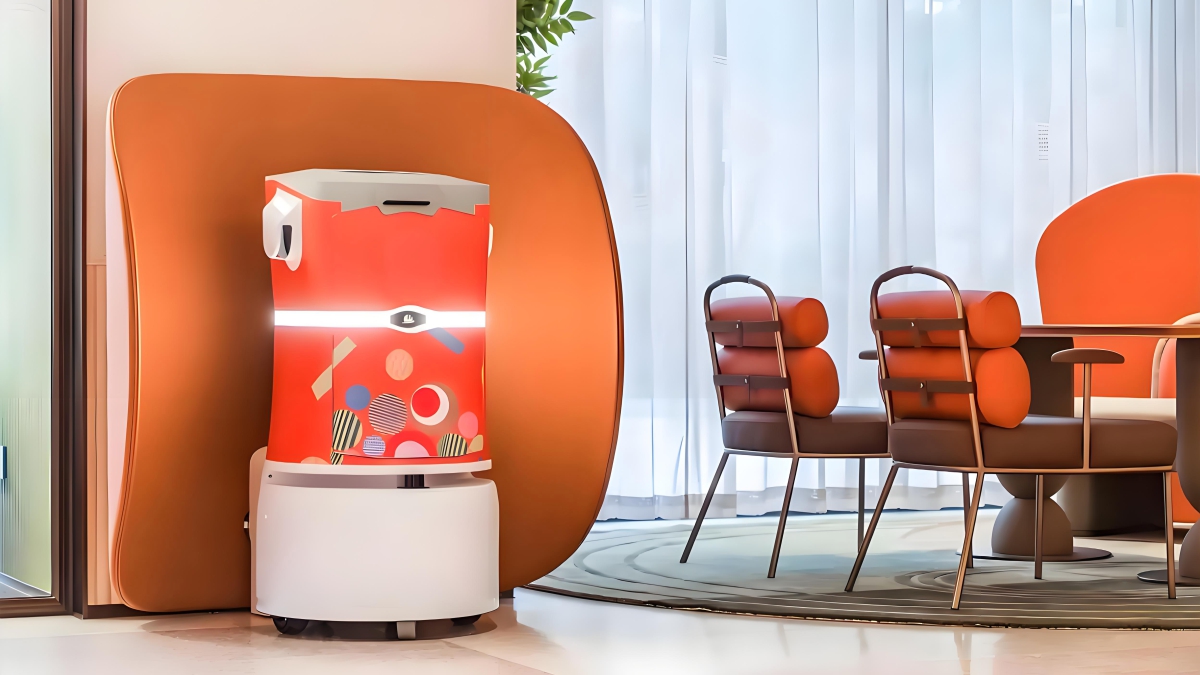
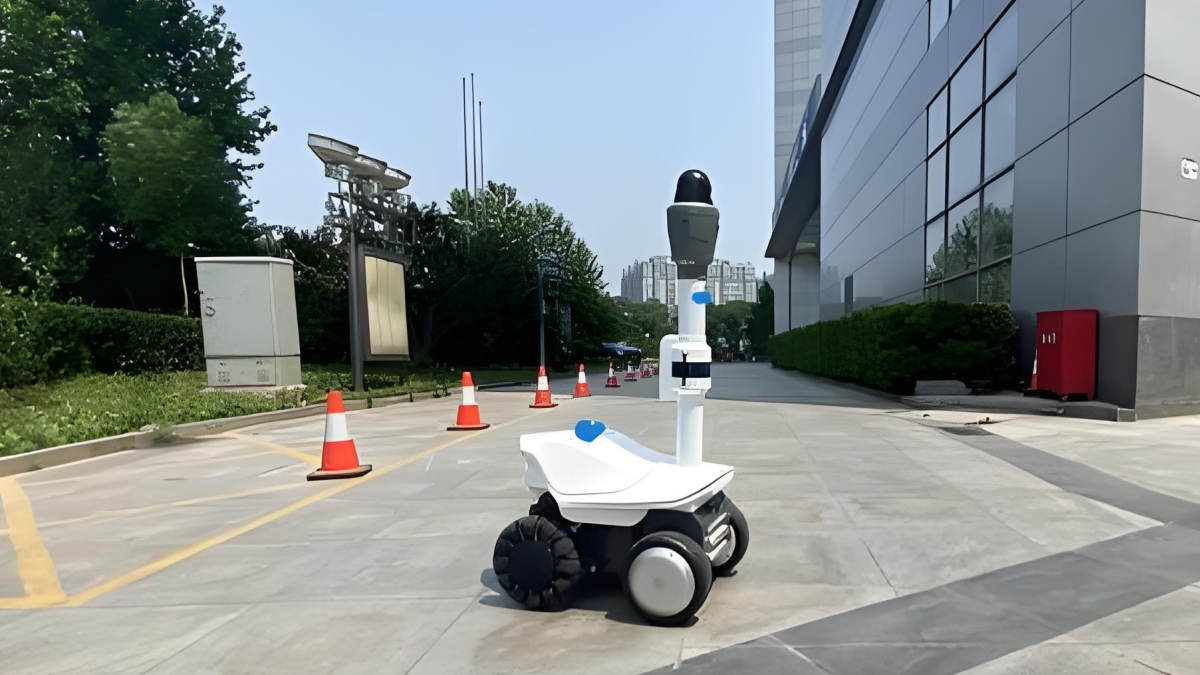
In catering, hospitality, and retail industries, robots have become key to enhancing efficiency and customer experience. For example, in a hotpot restaurant in Chengdu, delivery robots can perform robotic dances while delivering food, with related videos receiving over 600,000 likes. In a hotel in Hangzhou, a single short video featuring a greeting robot led to a 3200% increase in GMV. Additionally, commercial cleaning and security patrol robots have significantly liberated human labor.
Healthcare and Elderly Care: Warm and Professional “Guardians”
In the face of an aging society, the value of robots is particularly prominent. At a smart elderly care station in Beijing, over 40 types of robots showcase their capabilities—some can make a pancake in 3 minutes, while others provide personalized rehabilitation therapy. They are no longer cold machines but serve as “warm companions” that can chat with the elderly and remind them to take medication, effectively filling the gap in nursing personnel.
Household Life: From “Appliances” to “Stewards”
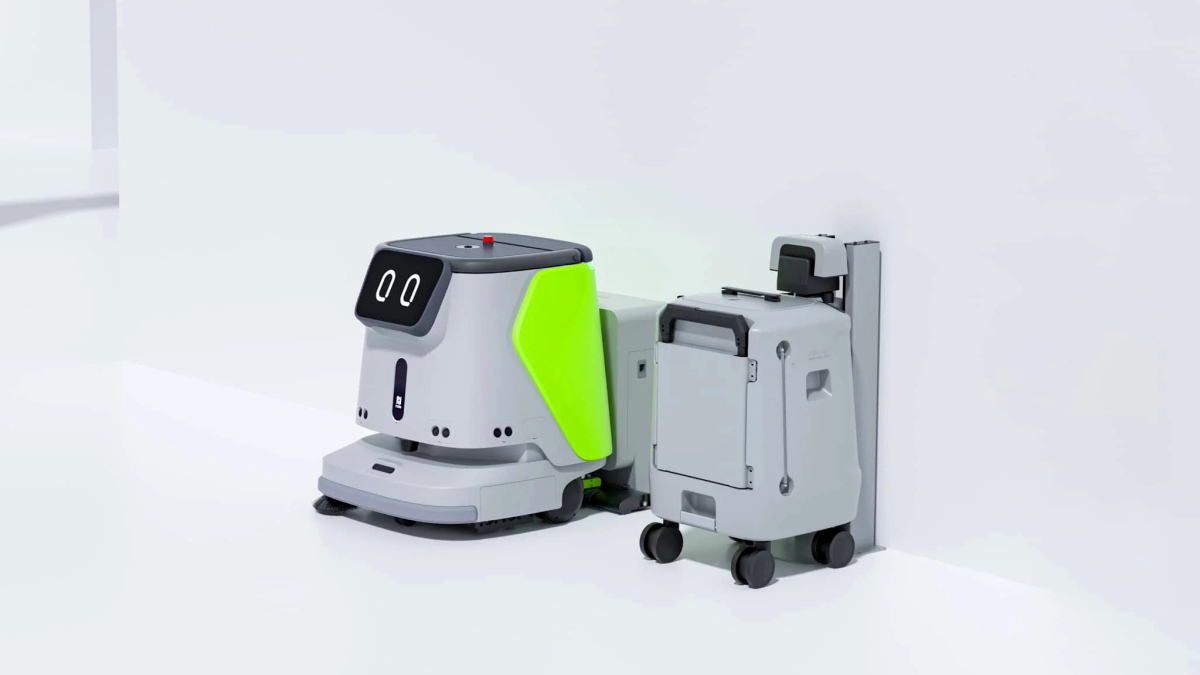
The home is the frontier for robot popularization. The “home appliance” form represented by robotic vacuum cleaners has become highly mature, with Chinese brands Roborock and Ecovacs holding over 40% of the global market share. Now, they are evolving into more versatile domestic assistants. In Shenzhen, the first robotic cleaner has begun working collaboratively with domestic cleaners—one responsible for standardized cleaning, the other focusing on in-depth services, achieving a “1+1>2″ effect.
Agricultural and Specialized Applications: “Pioneers” in Fields and Hazardous Environments
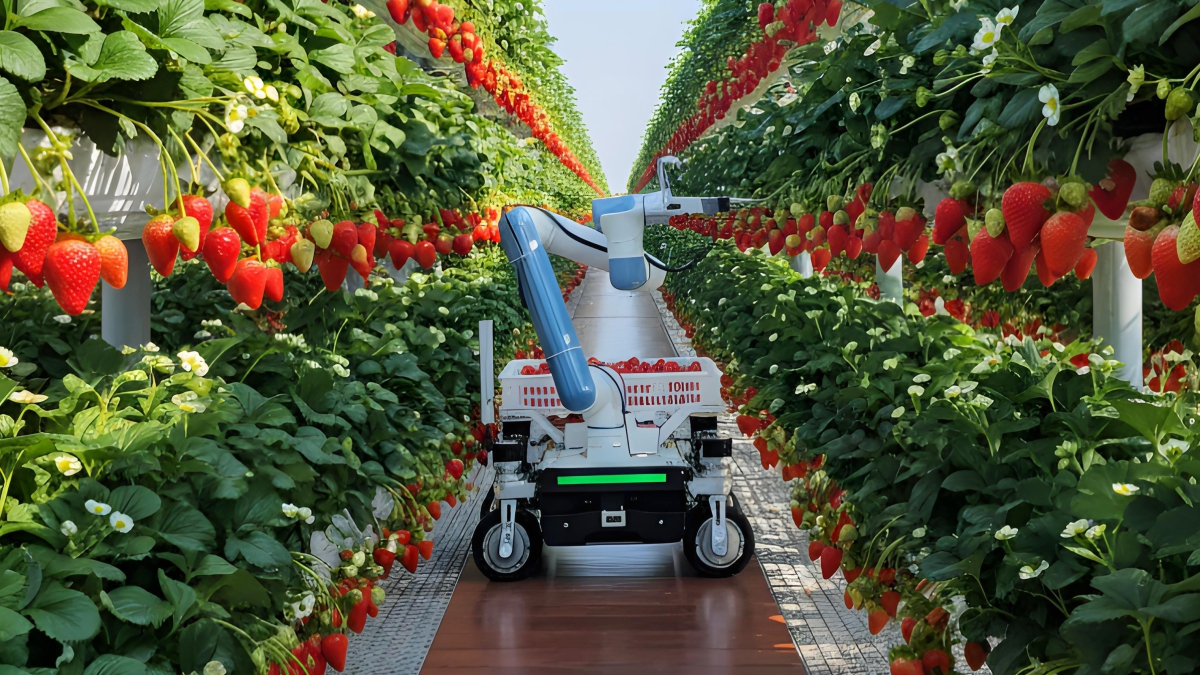
In vast farmlands, agricultural robots can accurately determine fruit ripeness through visual recognition and efficiently harvest, with productivity far exceeding manual labor. In specialized fields such as security and inspection, robots are gradually replacing humans to operate in dangerous environments.
Education and Companionship: New “Intelligent Partners”
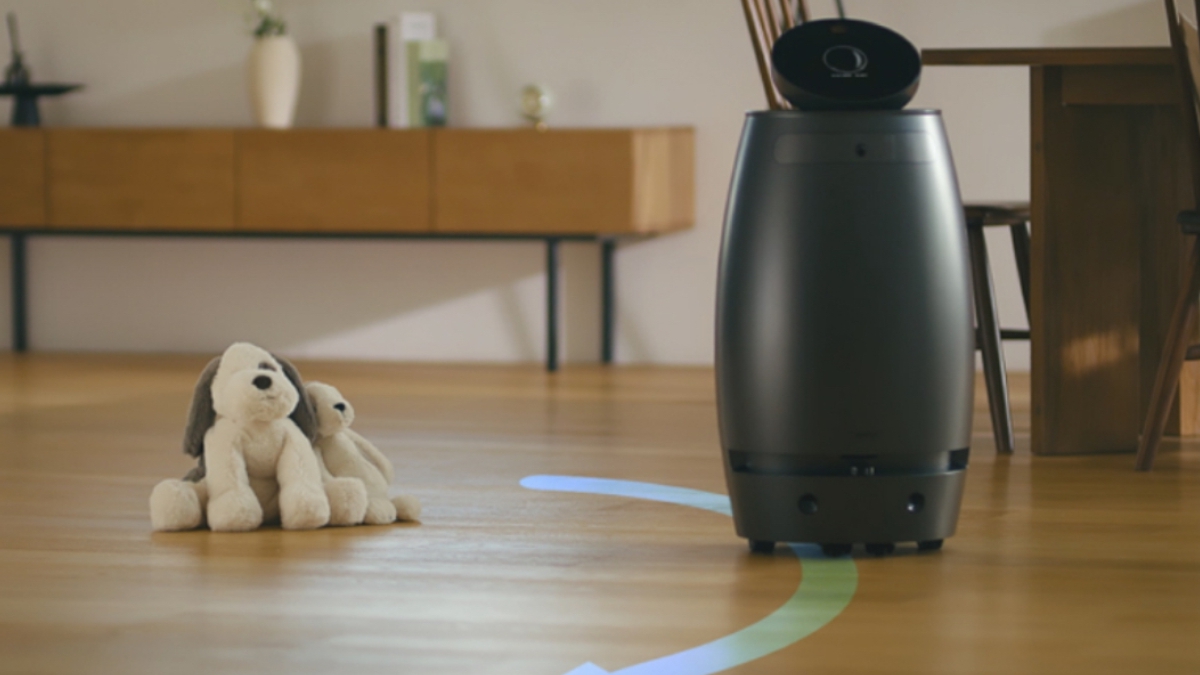
In education and exhibition guidance scenarios, robots serve as explainers and interactive partners. Some robots with emotional expression capabilities have become beloved “tech companions” for children and young people through vivid interactions.
Challenges and Future Trends
Despite the promising prospects, several obstacles remain before robots can truly work like humans:
Technical Bottlenecks: Achieving high-precision, low-cost operations in complex, unstructured home environments remains a significant challenge.
Cost and Safety: High procurement costs, potential safety risks, and liability definition issues are barriers to large-scale popularization.
Ethics and Standards: Robots may trigger ethical discussions about “human-machine relationships,” and industry standards and laws and regulations are still being refined.
Looking ahead, embodied intelligence, human-machine collaboration, and swarm intelligence are clear directions. Robots will not be limited to humanoid forms but will form a collaborative network of multi-form intelligent agents combining “general-purpose and specialized” capabilities, moving from single-point tasks to full-process services.
The development of intelligent service robots is essentially a profound transformation in productivity and lifestyles. It is evolving from a “useful tool” into an indispensable “intelligent companion” in our lives.
Post time: Jun-15-2026