
Warehouse AGVs, delivery service robots, park inspection chassis, medical companion robots… the core competitiveness of mobile robots lies in the power unit of their wheels. For a long time, the industry mainstream has focused on two main solutions: traditional geared hub motors and direct-drive hub servo motors. These two differ drastically in structure, performance, and applicable scenarios. This article breaks down these differences to help equipment manufacturers choose the right power solution for long-term stability, cost reduction, and efficiency improvement.
I. Differences in underlying structure: The presence or absence of gears represents two completely different transmission logics.
1. Traditional geared hub motor (gear reduction scheme)
Structural formula: High-speed motor + planetary gear reducer + external drive + external encoder + wheels
The system relies on multi-stage gear meshing to achieve speed reduction and torque increase. The motor body rotates at high speed, and the torque is amplified and output to the wheels through gears. Gears are the core transmission medium. The whole system has many components and a long transmission link.
The entire chassis needs to reserve space for a gearbox, an independent drive box, and wiring. There are many mechanical parts, and the assembly process is complicated.
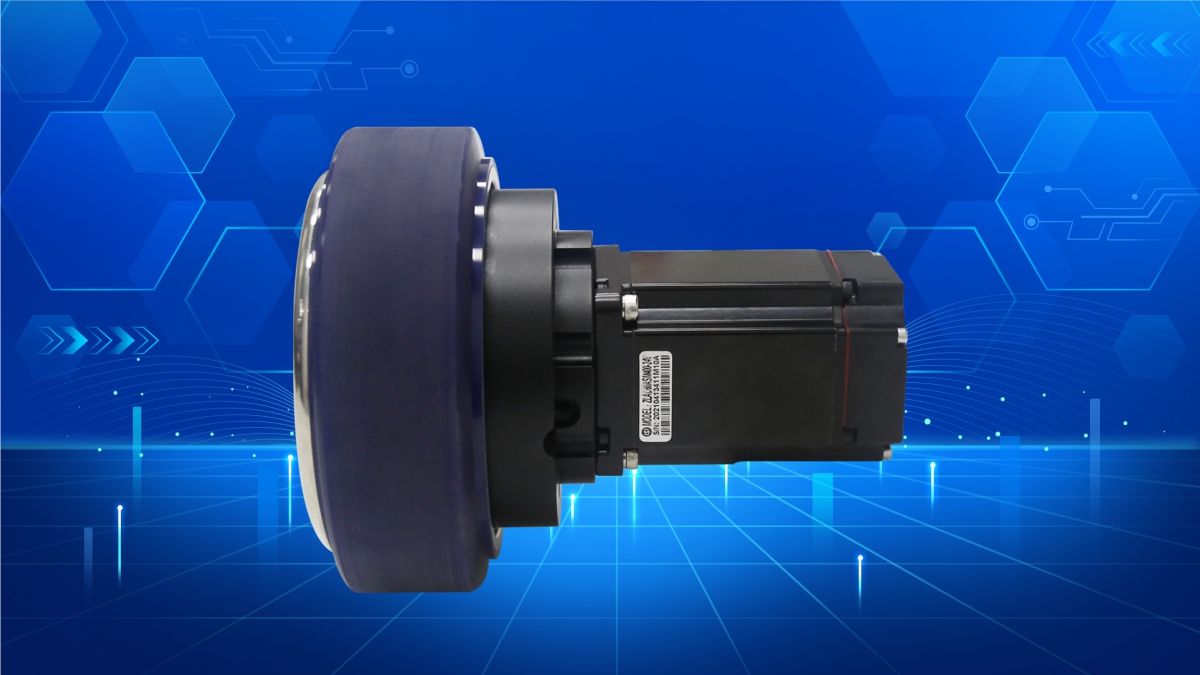
2. Hub servo motor (direct drive integrated servo solution)
Structural formula: External rotor permanent magnet motor + high-precision encoder + built-in FOC servo drive + integrated wheel and tire hub
Gearless and gearboxless, the motor rotor directly drives the wheel, eliminating all intermediate transmission structures; the motor, drive, and feedback components are all built into the wheel hub, and a single wheel is a complete power unit. Control can be completed with just a power cord and a communication line, completely eliminating the losses in the gear transmission link.
II. The core advantages of each of the two solutions
(a) Traditional geared hub motor: a low-cost entry-level heavy-duty option
1. Lower initial procurement costs
Ordinary gear motors have a high degree of standardization of components, and the price of a single unit is affordable, making them suitable for projects with limited budgets, short-term projects, and batch production of simple transportation equipment.
2. Low-speed torque amplification, small motors can handle heavy loads.
The gear reduction structure naturally amplifies torque, and a small-sized high-speed motor can achieve high torque output. It is suitable for long-term continuous climbing, heavy handling, and all-weather high-intensity heavy-load conditions, and has outstanding short-term overload capacity.
3. Low resistance during unloaded coasting.
After power failure, the gear clutch structure can separate the power, resulting in low resistance when the robot is pushed or manually transported, and easier human intervention.
(b) Shenzhen Zhongling Wheel Hub Servo Motor: The Top Choice for Long-Term Value in High-End Robots
1. Zero backlash, ultra-high positioning accuracy, ensuring navigation stays on track.
With no gear meshing backlash and a built-in 2500/4096-line high-precision encoder, the closed-loop servo provides real-time feedback on position and speed, ensuring smooth start-stop without jitter or slippage. Robot tracking deviation is controlled within ±2mm, and it offers stable automatic charging and docking, narrow-channel maneuvering, and Mecanum wheel differential control, perfectly meeting the precision operation requirements of warehouse AGVs, disinfection and delivery robots, and inspection robots. Traditional geared motors, with prolonged use, experience gear wear and backlash, leading to continuously increasing positioning errors and frequent navigation deviations, collisions, and docking failures.
2. Maximized transmission efficiency results in lower energy consumption and longer range.
Gear meshing involves continuous frictional losses, resulting in an overall transmission efficiency of only 75%-85%. Zhongling’s direct drive system eliminates intermediate losses, achieving a transmission efficiency of over 95%. With the same battery capacity, it increases robot range by 15%-25%, offering significant power-saving advantages in scenarios with frequent start-stop operations and low-speed indoor operation, thereby greatly reducing customers’ maintenance and charging costs.
3. Low noise and low vibration, enhancing the experience in commercial scenarios.
Long-term gear meshing can produce metallic friction noise, and the noise is obvious during low-speed start-stop and turning. Zhongling direct drive eliminates gear friction and is equipped with FOC sine wave control, resulting in extremely low decibels during operation. It perfectly meets the quiet requirements of shopping mall delivery, hospital care, office building inspection, and indoor service robots, without any harsh mechanical noise affecting the user experience.
4. Failure rate drops dramatically, significantly reducing after-sales maintenance.
Gears, bearings, and grease are the three most vulnerable parts in traditional motors. Long-term loads and bumpy roads can easily cause gear breakage, slippage, and abnormal noises, requiring gear assembly replacement every 1-2 years. Zhongling hub servo motors have no easily worn transmission parts, with only bearing wear, increasing the overall service life by more than 3 times, reducing downtime maintenance and return costs, and significantly reducing after-sales pressure for manufacturers of mass-produced equipment.
5. Highly integrated and lightweight, simplifying the overall design.
The integrated design reduces weight by 30% compared to the traditional “motor + gearbox + external drive” solution. The chassis does not need to reserve a lot of space for transmission installation, and the body can be made lighter and more compact. The single wheel is driven independently, the wiring is extremely simple, and it supports multi-wheel synchronous control via CANopen/485 bus, which shortens the overall machine development and assembly cycle and reduces the labor cost of factory assembly.
6. Full-domain servo closed-loop control for stronger dynamic response.
Built-in servo drive ensures smooth operation at ultra-low speeds of 0.1rpm, preventing slippage during rapid acceleration, emergency stops, and parking brake applications on inclines. It features multiple protections against temperature, current, and overload, ensuring stable operation in bumpy, water-filled, and dusty environments. With IP54 and IP65 protection, it is suitable for various indoor and outdoor scenarios. Traditional gear motors are mostly open-loop controlled, resulting in poor speed regulation linearity and noticeable start-stop jerking.
III. Comparison Table of Core Dimensions: Visually Identify the Differences
Compared to traditional geared hub motors, Shenzhen Zhongling direct-drive hub servo motors…
The transmission structure features multi-stage gear reduction, multi-component split gearless direct drive, and integrated motor/drive/encoder design.
Positioning accuracy with gear backlash, large long-term drift error with zero backlash, and millimeter-level precise tracking.
There is noticeable noise from gear friction during operation, and at low speeds there is a noticeable abnormal noise. There is no mechanical friction during operation; it runs quietly.
Transmission efficiency 75%-85%, energy loss 95%+, energy saving and longer driving range
Gears are prone to wear and require maintenance every 1-2 years; however, there are no easily damaged transmission parts, extending the service life by 3 times.
The chassis and gearbox, along with the external drive, occupy a significant amount of space, resulting in a compact structure and lightweight body design.
Control performance is characterized by multiple open-loop controls, start-stop jerking, slow response, servo closed-loop controls, linear acceleration/deceleration, and stable braking.
Overall maintenance costs are lower in the long run due to frequent spare parts replacements and high after-sales costs, but eliminating gear maintenance can reduce overall costs.
IV. Scenario Selection Guide: When to choose a geared motor and when to choose a diamond-shaped hub servo?
Preferred application scenarios for traditional geared hub motors
1. Heavy-duty outdoor transport vehicles and heavy-duty engineering transfer equipment, subjected to continuous heavy loads on steep slopes over long periods of time;
2. Low-cost, simple transportation devices and short-term rental robots, with extremely tight budgets;
3. Equipment that requires frequent manual pushing and can be moved without resistance even when power is off.
Shenzhen Zhongling wheel hub servo motors are preferred for certain scenarios.
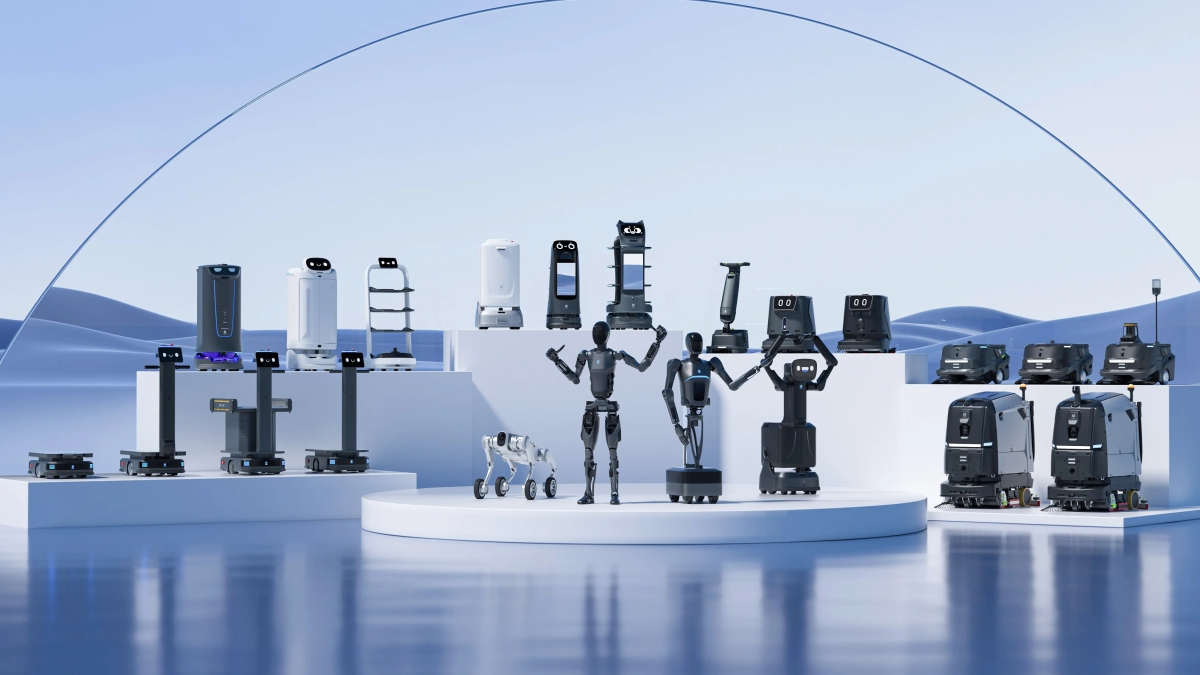
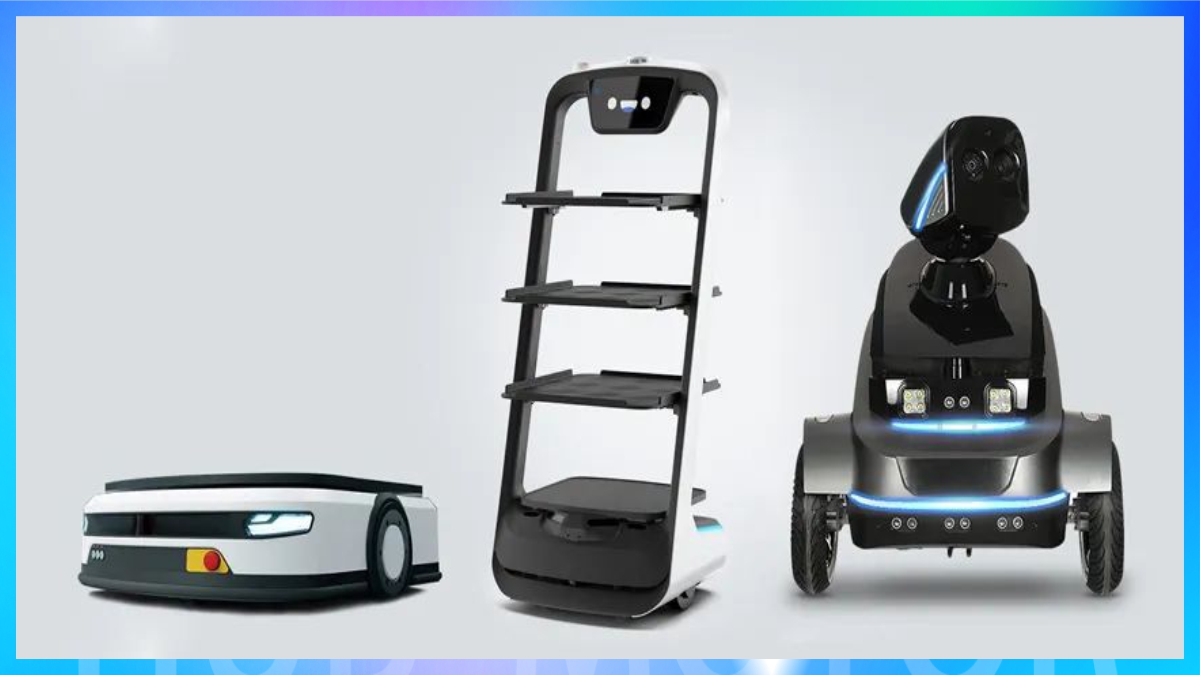
1. Warehouse AGVs and intelligent sorting AMRs have high requirements for navigation accuracy and path stability;
2. Delivery, disinfection, and reception robots for hospitals, shopping malls, hotels, and office buildings (quiet operation is essential);
3. Park inspection and security patrol robots, capable of both indoor and outdoor operations, and continuous operation;
4. Small, lightweight chassis; medical aesthetics/companion robots; limited body space.
5. Commercial robot projects that aim for low after-sales service, long lifecycle, and long-term cost reduction in operation.
V. Shenzhen Zhongling Technology: Over a decade of experience in wheel hub servo systems, providing one-stop power solutions.
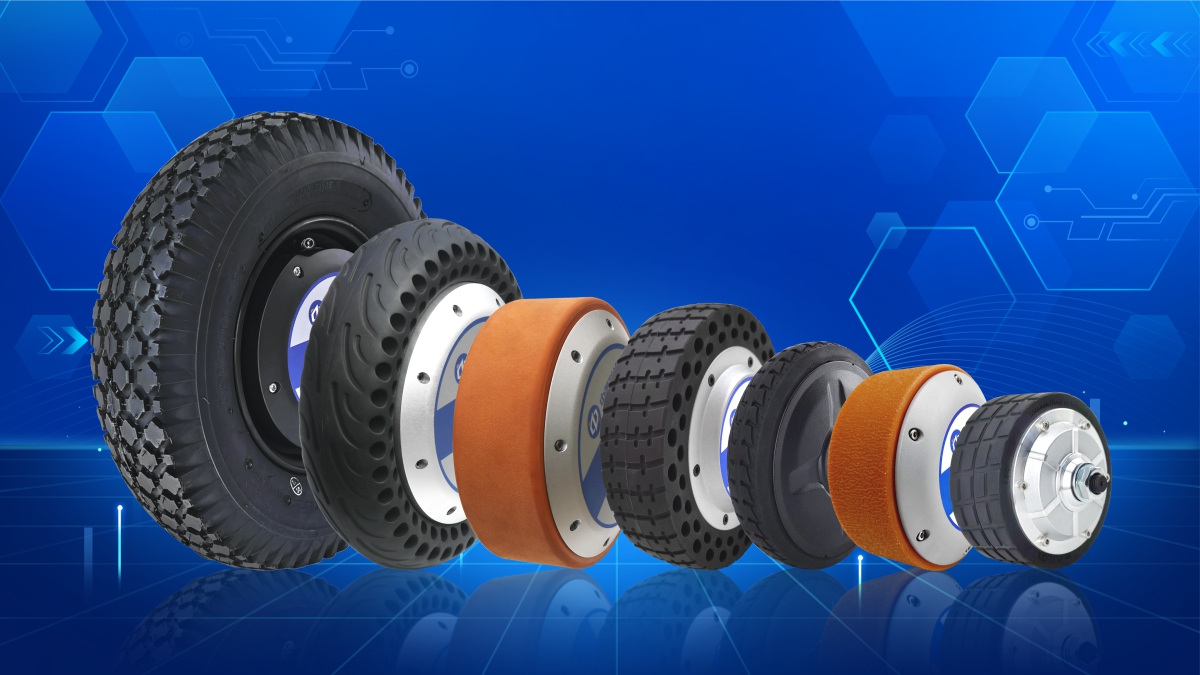
Shenzhen Zhongling Technology Co., Ltd. has been rooted in the motion control industry since 2013, focusing on the self-development and production of a full range of direct drive hub servo motors and matching servo drives, covering all specifications of 4-inch/6-inch/8-inch/10-inch/16-inch, adapting to the mainstream robot power supply voltage of 24V-80V, and supporting single-axis/dual-axis customization, torque, encoder specifications can be adjusted as needed.
Unlike generic motors on the market, Zhongling has three unique advantages:
1. Self-developed FOC servo algorithm: optimized for low-speed and frequent start-stop conditions of mobile robots, solving the problems of low-speed weakness and overheating of ordinary direct drive motors;
2. Integrated drive and control: Each wheel has its own drive, eliminating the need for an additional electrical control compartment, and is compatible with mainstream robot main control communication protocols;
3. Full-chain customization service: Torque and protection level can be customized according to equipment load, wheel diameter, and climbing requirements, and a full-process service including prototype testing, technical support and batch delivery can be provided.
Today, more and more robot manufacturers are abandoning traditional gear reduction solutions and switching to Zhongling hub servo motors. This hardware upgrade brings comprehensive improvements in equipment precision, battery life, service life, and customer reputation. While the industry still relies on gear transmissions to compromise performance, Zhongling direct-drive hub servo motors have become the standard power solution for high-end mobile robots.
Gear-reduced hub motors are an “entry-level solution” for basic movement; while Shenzhen Zhongling hub servo motors are the “mature and optimal solution” supporting the long-term commercialization of robots. The gearless direct-drive structure eliminates transmission bottlenecks, and servo closed-loop control unlocks the upper limits of equipment performance, resulting in lower maintenance, higher precision, and longer lifespan, helping the intelligent mobile robot industry move towards a new stage of greater efficiency and stability. For hub servo motor selection solutions suitable for different load capacities and sizes, please contact Shenzhen Zhongling Technology for dedicated technical support and prototype testing.
Post time: Jun-30-2026